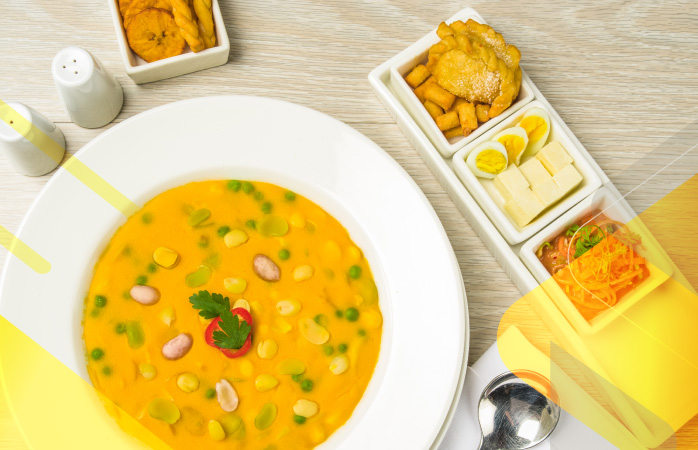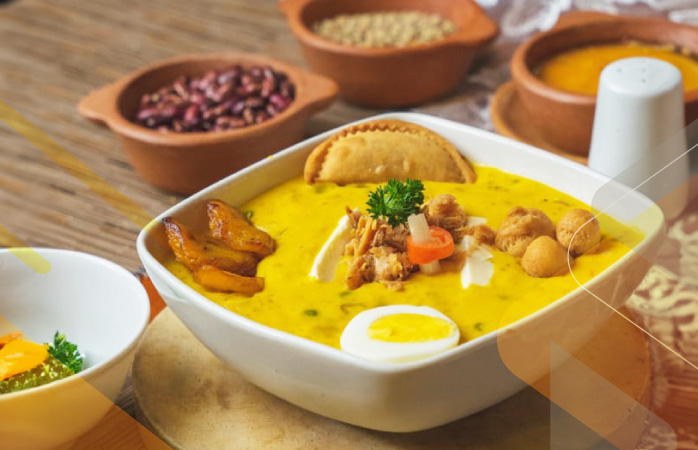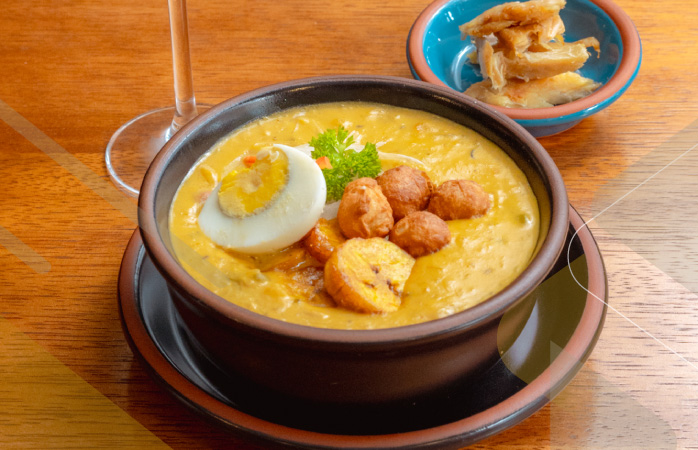

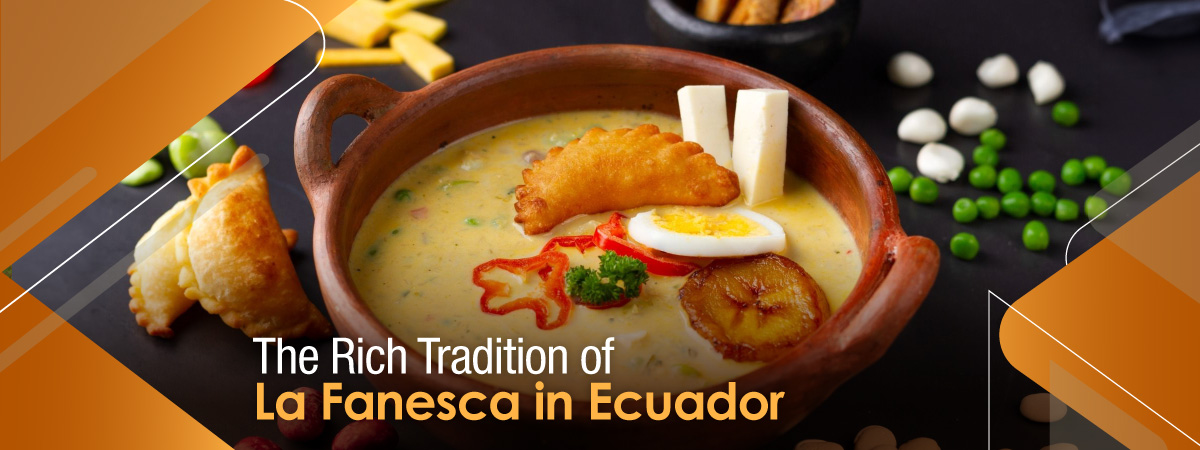
Fanesca is a dish that embodies the spirit of Ecuadorian cuisine and culture. It’s not just a soup; it’s a culinary event, a historical tradition, and a family affair all rolled into one. Served during Semana Santa (Holy Week), La Fanesca is a rich, hearty soup that brings together the diverse flavors and agricultural bounty of Ecuador.
- History of La Fanesca:
The origins of the Fanesca can be traced back to the indigenous cultures of Ecuador, with influences from Spanish colonial times. It represents a blend of indigenous and European traditions, ingredients, and religious symbolism. The dish is a testament to Ecuador’s history, bringing together native products like corn and beans with introduced items such as milk and cheese.
- How La Fanesca is Made:
Fanesca is renowned for its complex preparation and the variety of ingredients it contains. At its core, the soup is made with 12 different kinds of beans and grains, signifying the 12 apostles of Jesus. Salt cod, a nod to the Catholic tradition of abstaining from meat during Lent, is soaked and desalted before being added to the soup. Ingredients like pumpkin, milk, cheese, and a variety of herbs and spices are also essential. The preparation of La Fanesca is a labor of love, often taking days to prepare and requiring the participation of several family members.
- Cultural Significance:
Beyond its delicious taste, Fanesca holds deep cultural significance. It’s a dish that’s meant to be shared, symbolizing unity and community. The coming together of various ingredients reflects the diversity of Ecuador itself, and the act of sharing the soup with family and friends is an embodiment of communal harmony and celebration of life.
Best Fanesca in Town:
These three esteemed restaurants, Casa Gangotena, Costa Sierra, and San Ignacio, have been honored by the Municipality of Quito in ‘Fanescas, Secrets and Traditions’ competition. Each establishment, celebrated for its unique approach to the traditional fanesca dish, showcases the depth and diversity of Ecuadorian culinary heritage.